The Nuclear Challenge (TNC) is an independent public-education initiative led by University of Oxford spinout OxCo, in collaboration with Oxford University Innovation, designed to build long-term education infrastructure for young people across academic, vocational, and early-career pathways.
THE STATE OF AFFAIRS
Public sentiment toward nuclear remains fragile. Historically, even isolated incidents have triggered sharp declines in confidence, contributing to project delays, accelerated shutdowns, and long-term policy reversals.
While perception has improved in recent years, much of that support rests on limited baseline understanding and is therefore vulnerable under pressure. This matters because public confidence shapes political decision-making, regulatory conditions, and long-term investment — and influences whether younger generations enter a workforce that is already aging across operations, regulation, and skilled trades.
MOMENTS THAT MATTER
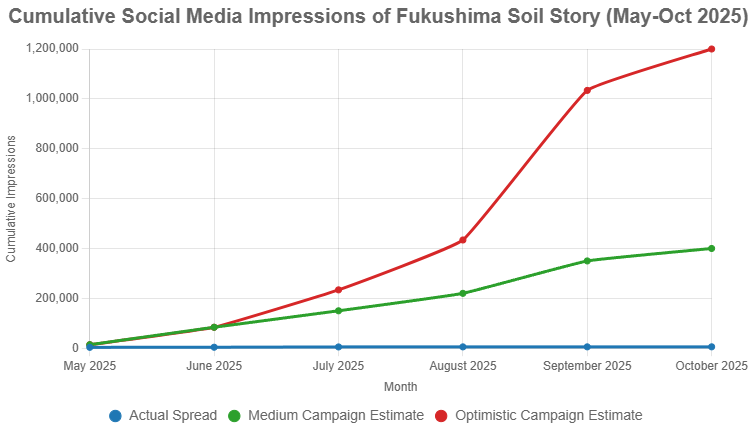
When Japan’s Prime Minister symbolically spread Fukushima soil in his own garden, it was a meaningful signal of confidence and recovery. Yet the moment barely registered beyond Japan.
This wasn’t because it lacked significance, but because there is no durable public infrastructure to ensure that calm, evidence-based signals about nuclear are consistently recognised, contextualised, and absorbed over time.
A GENERATION READY TO LEAD
Young people will live longest with the consequences of today’s energy choices. TNC engages 16–25-year-olds globally to build baseline understanding of nuclear energy — how it works, why it matters, and how to think about its risks and trade-offs.
By strengthening understanding early, TNC supports informed decision-making, workforce continuity, and a pipeline of future professionals across technical, regulatory, and policy pathways.
SMART, ACCESSIBLE CONTENT
Scientific rigour is essential, but impact depends on accessibility. TNC develops accurate, evidence-based content that explains nuclear energy clearly for non-specialist audiences.
Content is distributed through digital and informal channels to support repeated exposure and cumulative understanding, rather than isolated engagement.
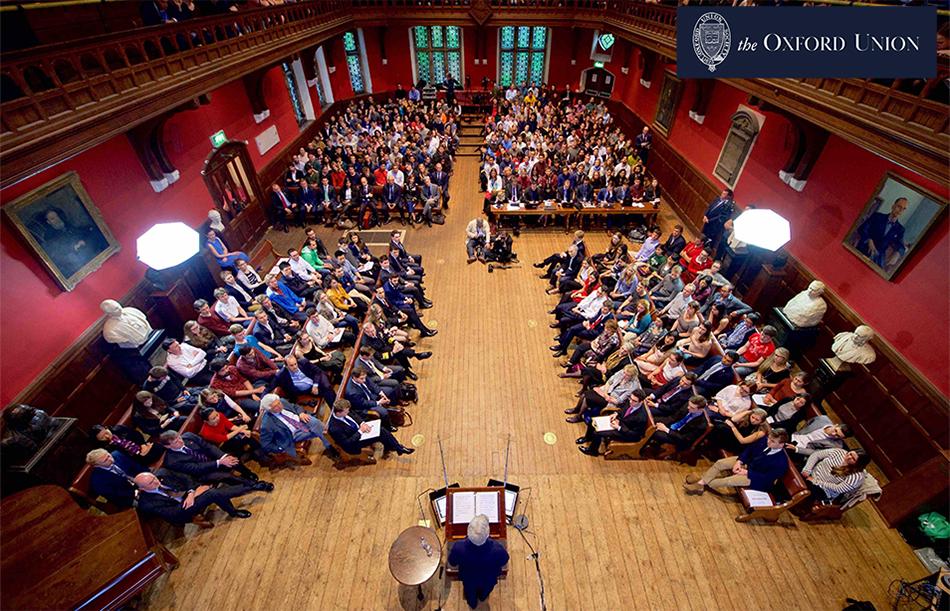
As part of this, TNC is uniquely positioned to work with established academic and civic forums — including the The Oxford Union — to explore how structured, balanced debate can contribute to wider public understanding.
DEBATE AND DIALOGUE
Facts matter — but so does the ability to understand and discuss them calmly and openly. Public conversation plays a critical role in building familiarity, reducing stigma, and supporting informed debate around complex technologies like nuclear energy.
TNC brings together credible research and respected voices to help explain nuclear energy clearly, proportionately, and accessibly — creating space for experts to contribute to public understanding without advocacy or polarisation.

By supporting conversations in both public and informal settings, TNC helps normalise discussion, spark curiosity, and encourage learning grounded in evidence rather than fear.
ENERGY AND YOUR LIFE
Reliable energy underpins everyday life — from warm homes and functioning hospitals to resilient businesses and stable communities. Nuclear power contributes to a low-carbon energy system that supports long-term planning, environmental protection, and energy security — creating the conditions for healthier communities today and more sustainable choices over time.
LEADERSHIP TEAM
The Nuclear Challenge brings together leading nuclear scientists, industry experts, and experienced science communicators. This collaboration combines academic credibility with clear, engaging storytelling — helping replace fear and misunderstanding with informed confidence, and supporting a more constructive conversation about nuclear’s role in the future.

Professor Adrian Bull
Adrian is President of the Nuclear Institute and Associate Director and BNFL Chair in Nuclear Energy and Society at the Dalton Nuclear Institute.
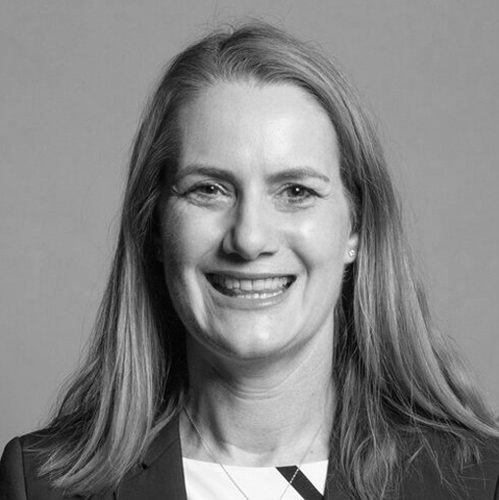
Virginia Crosbie
Virginia is a leading voice for nuclear energy in the UK and currently serves as Chairman of Supporters of Nuclear Energy.

Kirsty Gogan
Kirsty is a thought leader in sustainable energy innovation and co-founder of TerraPraxis. She serves on multiple national and international advisory boards shaping the future of nuclear energy.

Baroness Olivia Bloomfield of Hinton Waldrist
Olivia is a Welsh Conservative life peer in the House of Lords, serving as Shadow Parliamentary Under-Secretary of State for Wales since 2024.
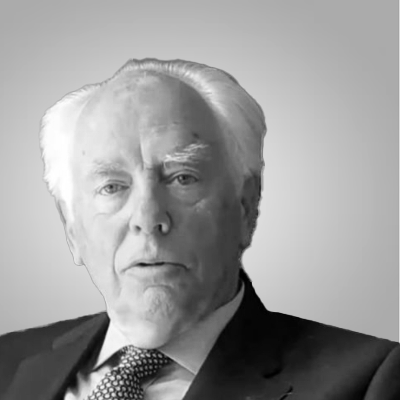
Professor Wade Allison
Wade is an Emeritus Professor of Physics at the University of Oxford and a leading voice in nuclear physics and radiation safety.

Henry Preston
Henry is the External Communications and Media Advisor at the World Nuclear Association. He coordinates content for media, policy and decision makers.

Michelle Leslie
Michelle is an industry veteran with over 20 years of experience at the intersection of energy policy, enablement, enterprise risk management, and coalition building, including senior roles at Deloitte.

Harry McAlister
Harry is a lifelong entrepreneur, founder and CEO of Oxford University spinout OxCo and creator of The Nuclear Challenge.
OUR CLIENTS