SSD 2022
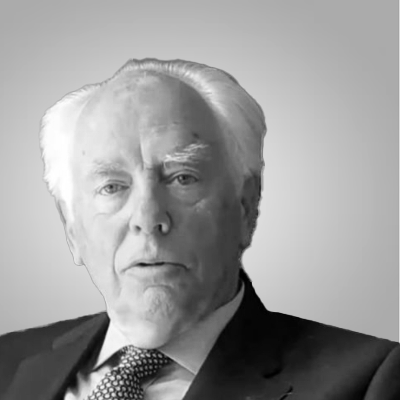
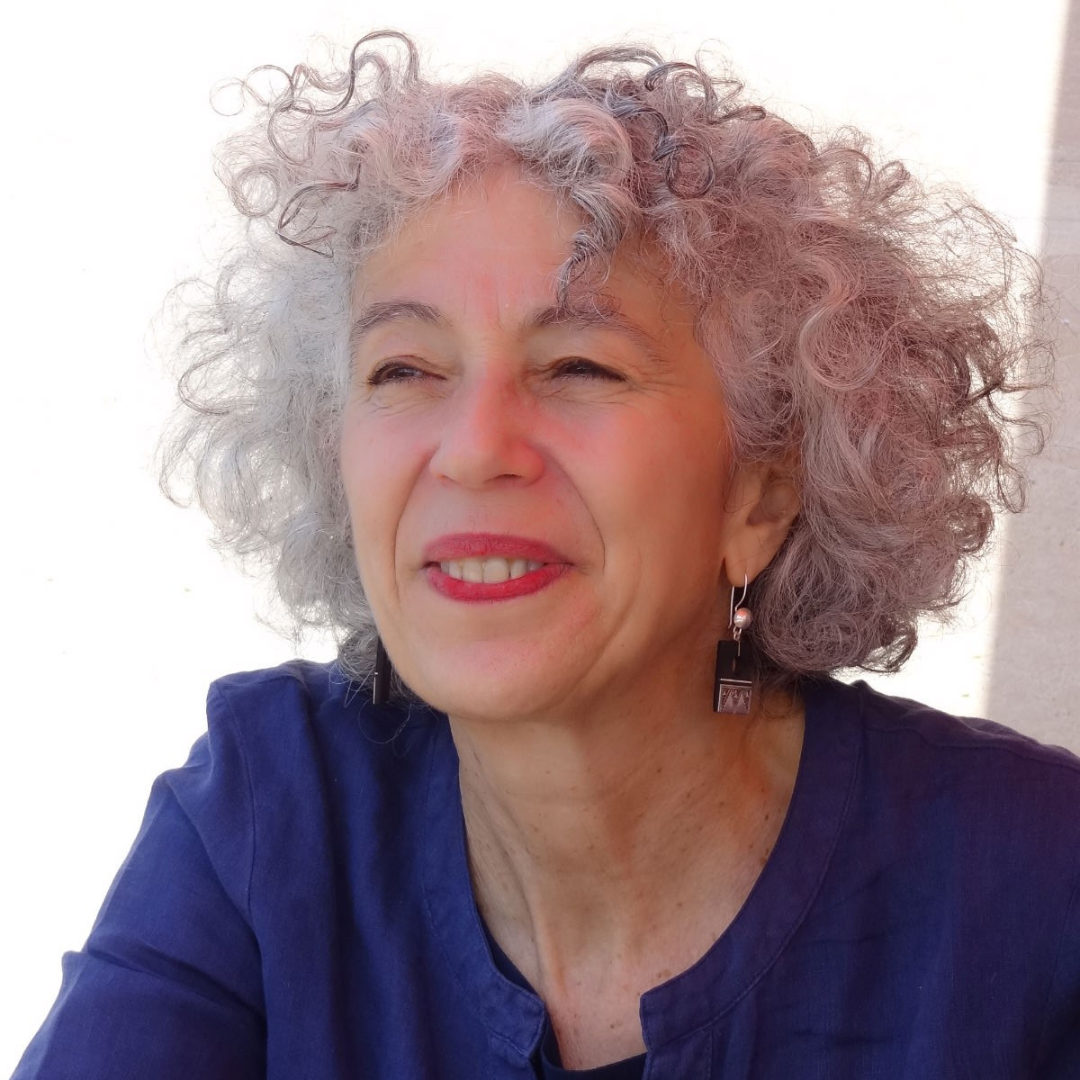
Dr. Ina Zharkevich

Over the past ten years, I have been conducting ethnographic fieldwork in the mid-Western hills of the Nepali Himalayas – the heartland of the Maoist insurgency during the civil war of 1996-2006, home to a vibrant but rapidly changing shamanic tradition, and, more recently, a hotbed of (ir)regular international migration to the USA and beyond.
For my doctoral research, I spent a year in the village of Thabang, the capital of the Maoist base area during the civil war of 1996-2006. Living with people who were located at the epicentre of the conflict, including both ardent Maoist supporters and ‘reluctant rebels’, I explored how a remote Himalayan village was forged as the centre of the Maoist rebellion, how its inhabitants coped with the situation of war, and how people recreated their everyday lives by adopting previously transgressive norms and practices. The monograph based on this research, Maoist People’s War and the Revolution of Everyday Life in Nepal, shows how the everyday became a primary site of revolution in Nepal, with revolutionary change coming not as a result of war but rather in the process of war, with the praxis of revolutionary modes of sociality and ‘embodied change’ being key to understanding how change came about.
As part of the Leverhulme Early Career Fellowship (2015-2018), Where there are no men’: Migration, Kinship, Gender and Generation in Nepal, I explored the gendered and generational nature of migration in Nepal, and the circulation of money in transnational family networks as a way to understand changing notions and practices of kinship and relatedness in Nepal and beyond. In the process of my fieldwork, I have become increasingly interested in the ‘cruel optimism’ and structural violence of migration in late capitalism, with debt-driven migration and economies of waiting serving as a starting point of analysis.
Our clients


























Your content goes here. Edit or remove this text inline or in the module Content settings. You can also style every aspect of this content in the module Design settings and even apply custom CSS to this text in the module Advanced settings.